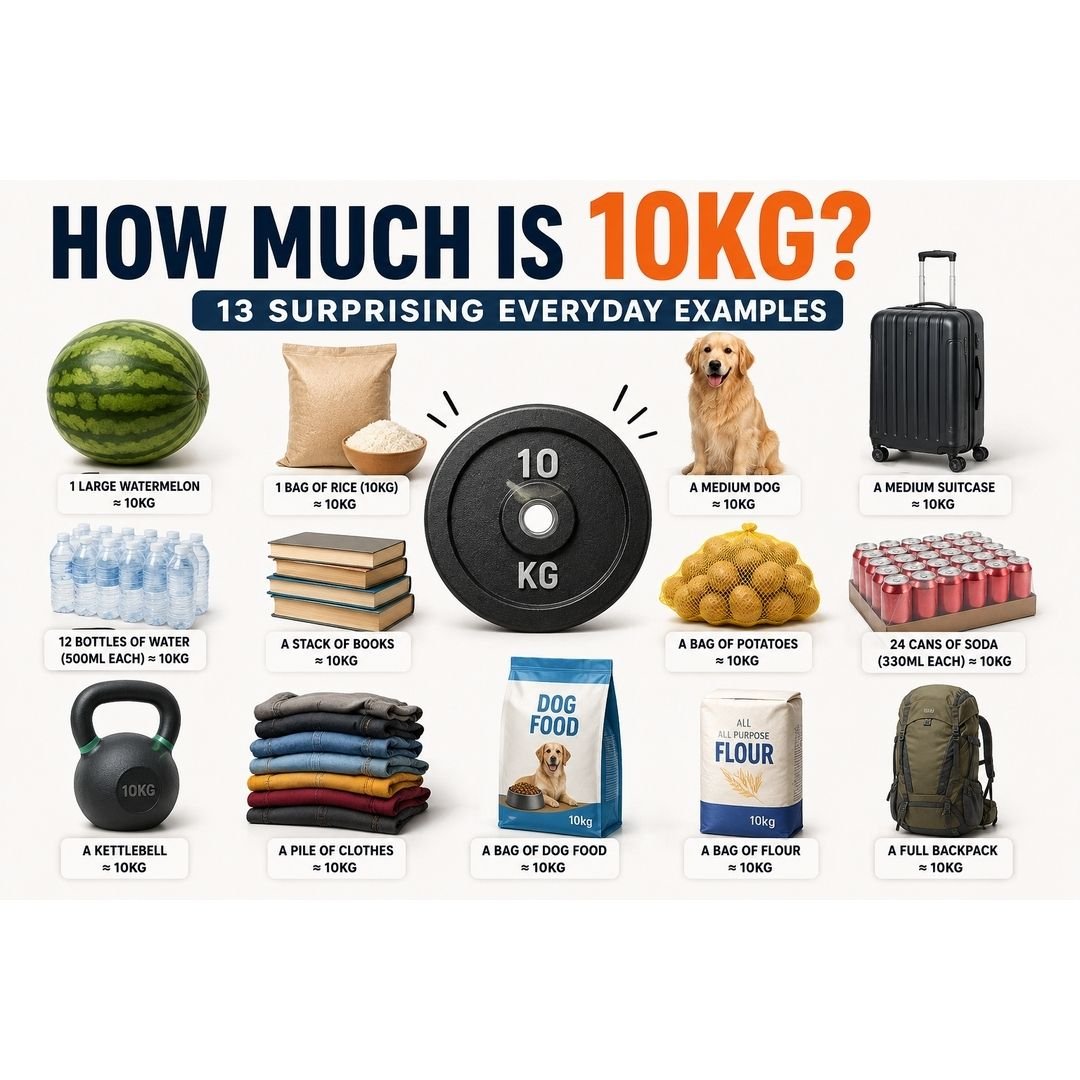
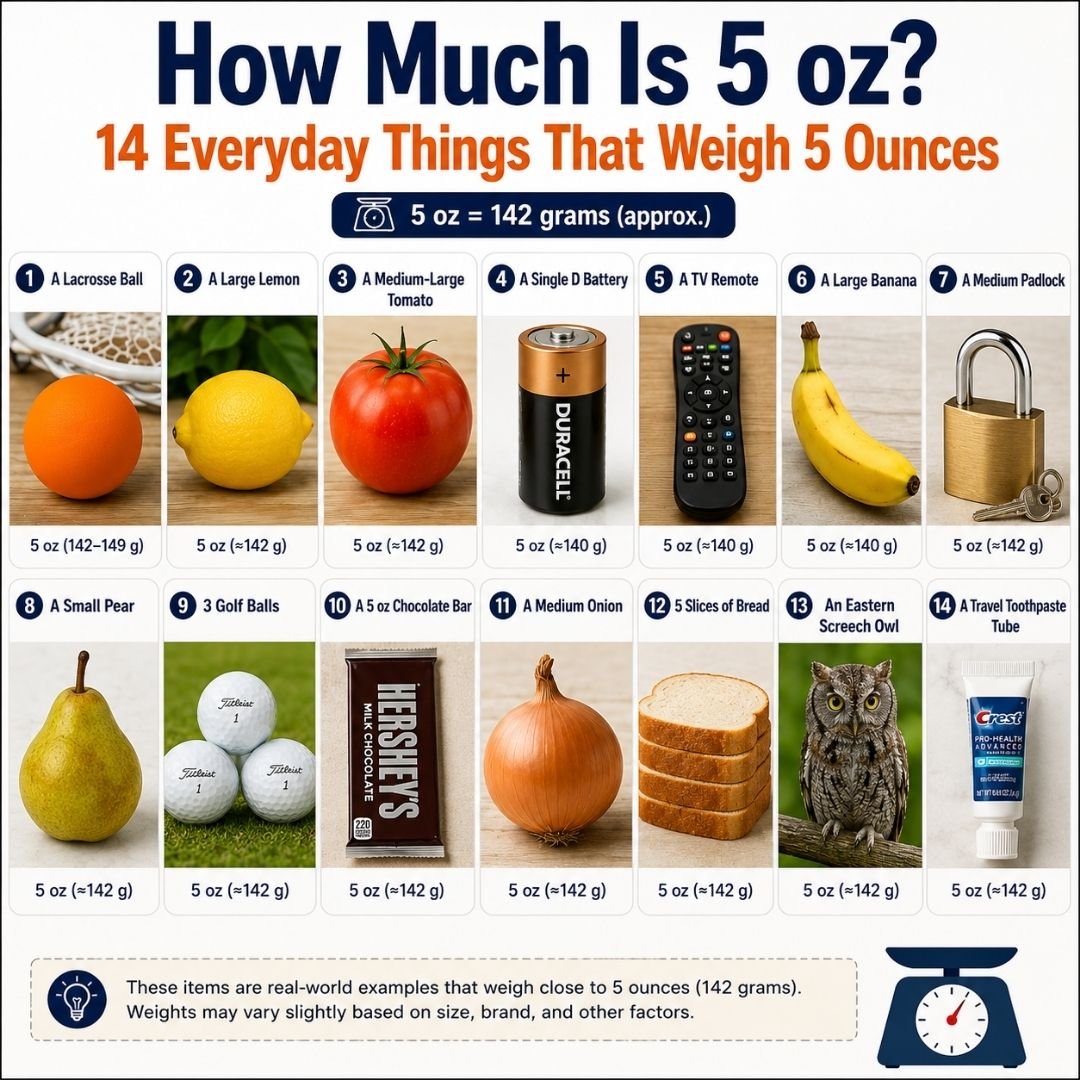
Understanding 5 oz becomes much easier when you connect it to familiar objects. A big lemon, a D battery, or a small bar of chocolate often weighs close to this weight, so holding one in your hand can make the measurement easier to keep memorized instead of simply guessing.
In exact weight figures, 5 ounces equals about 141.7 grams, roughly 142 grams, or 0.31 pounds, which is close to an eighth of a pound. This is a fairly small amount or light amount, but knowing it can be useful when checking a package at the post office, staying under a weight limit, or measuring foods such as pasta. For quick conversions, 5 oz to grams means converting ounces into grams or pounds.
The important part is knowing that 5 oz can describe two different things: weight or a liquid amount. They are not always interchangeable.
When you measure liquid, fluid ounces are used for volume, and 5 oz to ml is about 148 ml, or 148 milliliters, which is close to five-eighths of a cup. These liquid figures are especially useful in a recipe, while weight figures are better for solid items. Once you understand the difference between ounces, grams, milliliters, pounds, and a cup, working with 5 ounces becomes much simpler.
5 oz Converted Into Every Measurement You Need
| Unit | 5 oz Equals |
| Grams (weight) | 141.7 g |
| Pounds (weight) | 0.3125 lb |
| Kilograms (weight) | 0.142 kg |
| Milliliters (liquid) | 147.9 ml |
| Cups (liquid) | 0.625 cup (⅝ cup) |
| Tablespoons (liquid) | 10 tbsp |
| Teaspoons (liquid) | 30 tsp |
| Deciliters (liquid) | 1.48 dl |
| Liters (liquid) | 0.148 L |
14 Things You Use Every DayThat Are About 5 Ounces
Every item on this list weighs 5 oz or very near that amount. I focused on familiar things you actually use or have on hand, so it is easier to picture what five ounces feels like without reaching for a scale.
A Lacrosse Ball

A regulation lacrosse ball is one of the easiest ways to picture 5 oz in your hand. Under the sport’s rulebook, its weight must stay between 142 grams and 149 grams, putting it almost dead center in this weight class.
The fixed weight helps every official ball plays the same when thrown with a stick or bounced against a wall. Made from solid rubber the whole way through, the ball feels heavier than you might expect because its smaller shape and denser shape leave the weight tightly packed inside.
I find it a useful reliable reference because you can simply pick up a regulation lacrosse ball and quickly understand what about five ounces or roughly 142 to 149 grams feels like.
Compared with a baseball, it may look smaller and denser, but when held, its firm rubber construction gives it a noticeably solid feel. That consistency comes from the sport rulebook, making an official lacrosse ball a practical reference for remembering this weight.
A Large Lemon
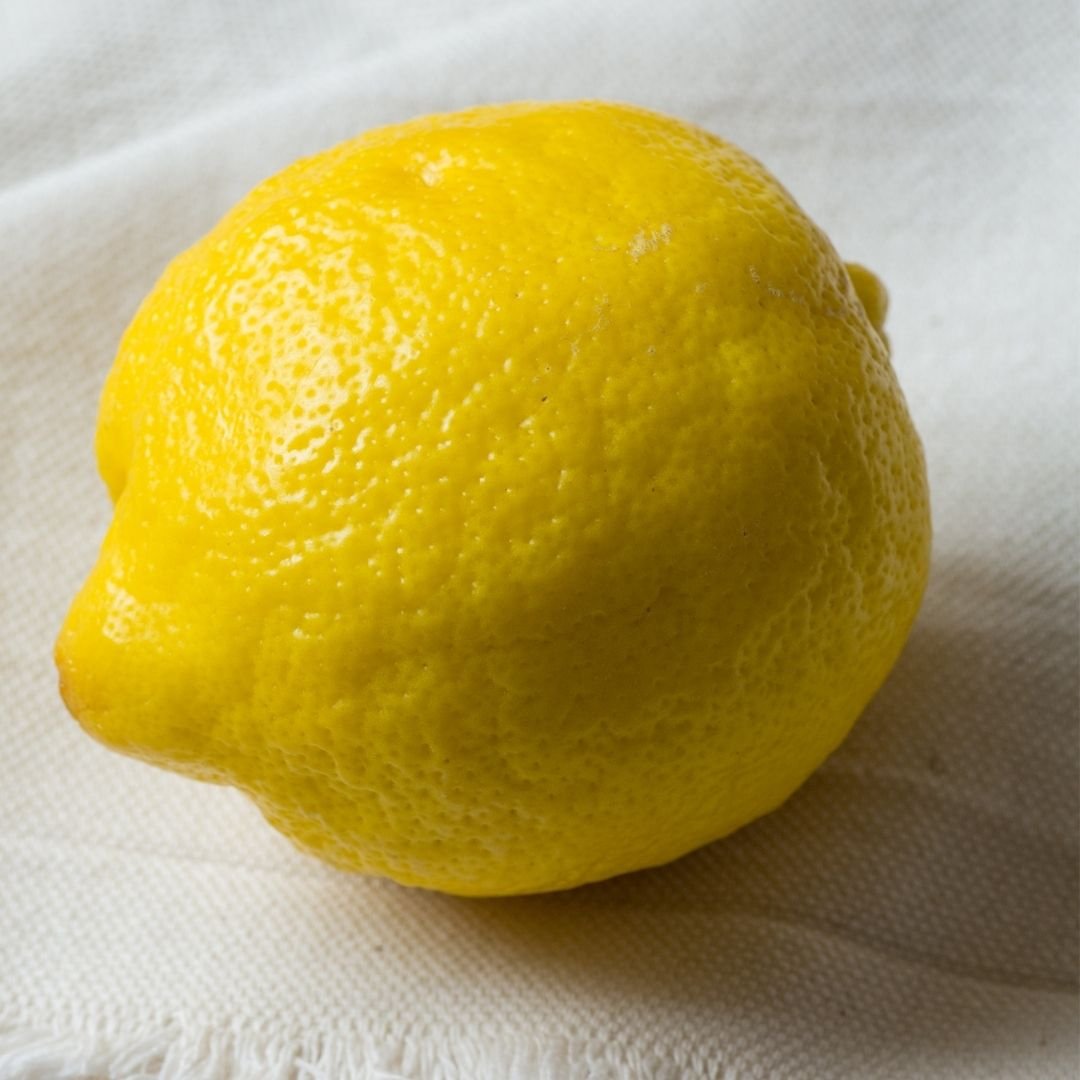
A big lemon is one of the easiest ways to picture 5 oz. A firm lemon with a thick rind can feel surprisingly heavy for its size, because its weight includes the rind, pith, water, and juice inside.
lemon weight changes a lot with variety and ripeness. A ripe lemon such as a heavy Eureka or heavy Lisbon often comes close to a 5-ounce lemon. Both the Eureka lemon and Lisbon lemon are common lemon varieties found in grocery stores, and these grocery-store lemons can be a useful real-world example of fruit weight.
However, lemon size does not always tell you the exact juice amount. A thick-skinned lemon may have more peel and less actual juice, while thin-skinned lemons with thin skin can sometimes give a better lemon juice yield.
Depending on weight variation, a heavy lemon may produce around two tablespoons to three tablespoons of juice, although the exact number of tablespoons varies. This matters when shopping for a recipe, because cooking measurement and recipe measurement often depend more on juice yield than the total weight of the fruit.
A Medium-Large Tomato
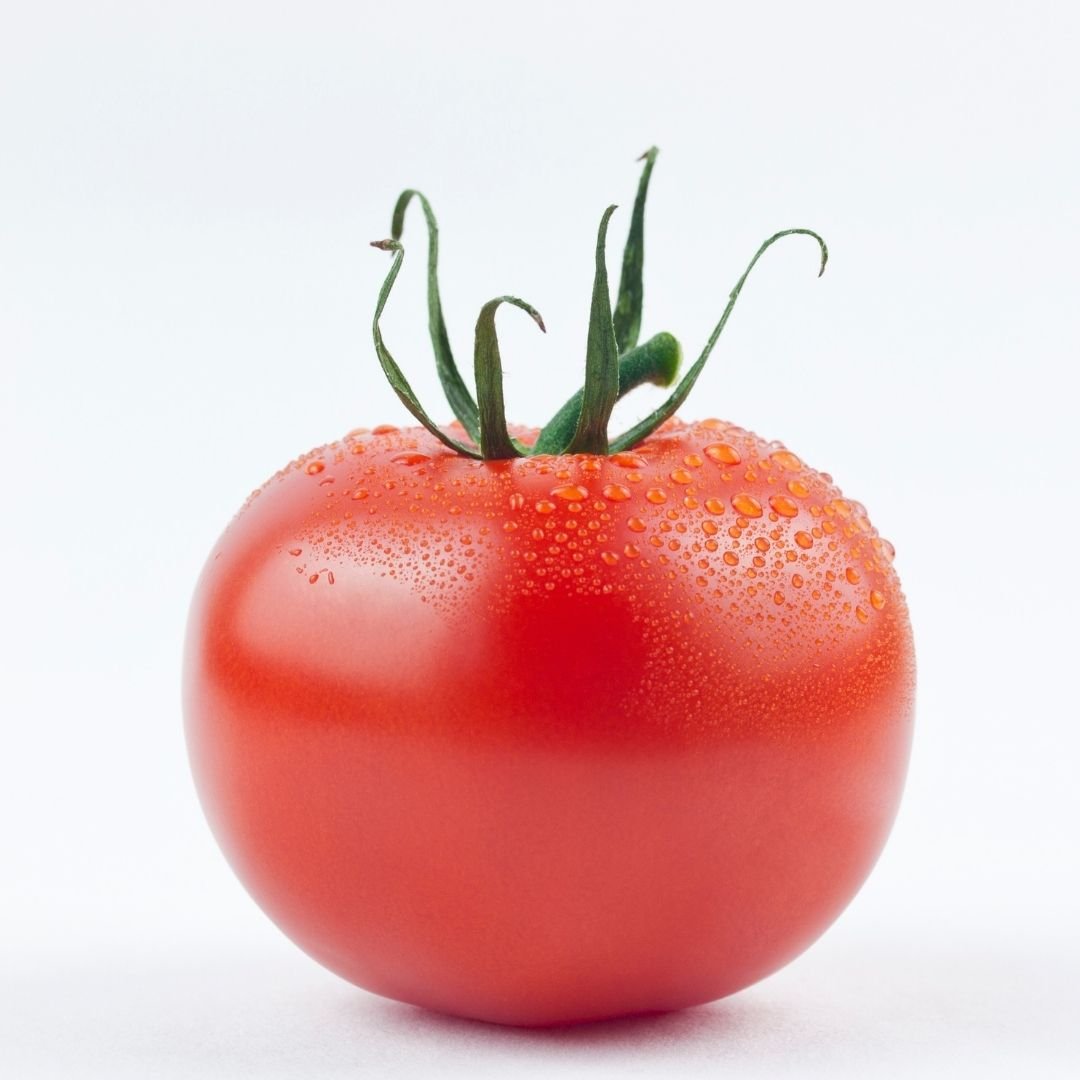
A beefsteak tomato is a good example of something that can reach 5 oz without trying. A big, solid tomato often clears this weight because it is mostly water, and that water weight can make it feel surprisingly heavy.
The big slicing tomatoes are the ones most likely to outweighs your first guess. These slicing tomatoes can cover a whole sandwich, and almost every time, their size makes sense once you hold one in your hand.
By comparison, smaller types such as Roma tomatoes and vine tomatoes usually come in lighter, often around 2 to 3 oz each. A Roma, a vine tomato, and other smaller types are generally lighter than the larger slicing kind. The difference becomes even clearer when tomatoes are cooked or cooked down.
Since a tomato shrinks as its water cooks away, a pot of sauce can easily swallows many tomatoes before it looks full. That is why a whole pot of tomato sauce may need several tomatoes, even when one large tomato already weighs close to 5 ounces.
A Single D Battery
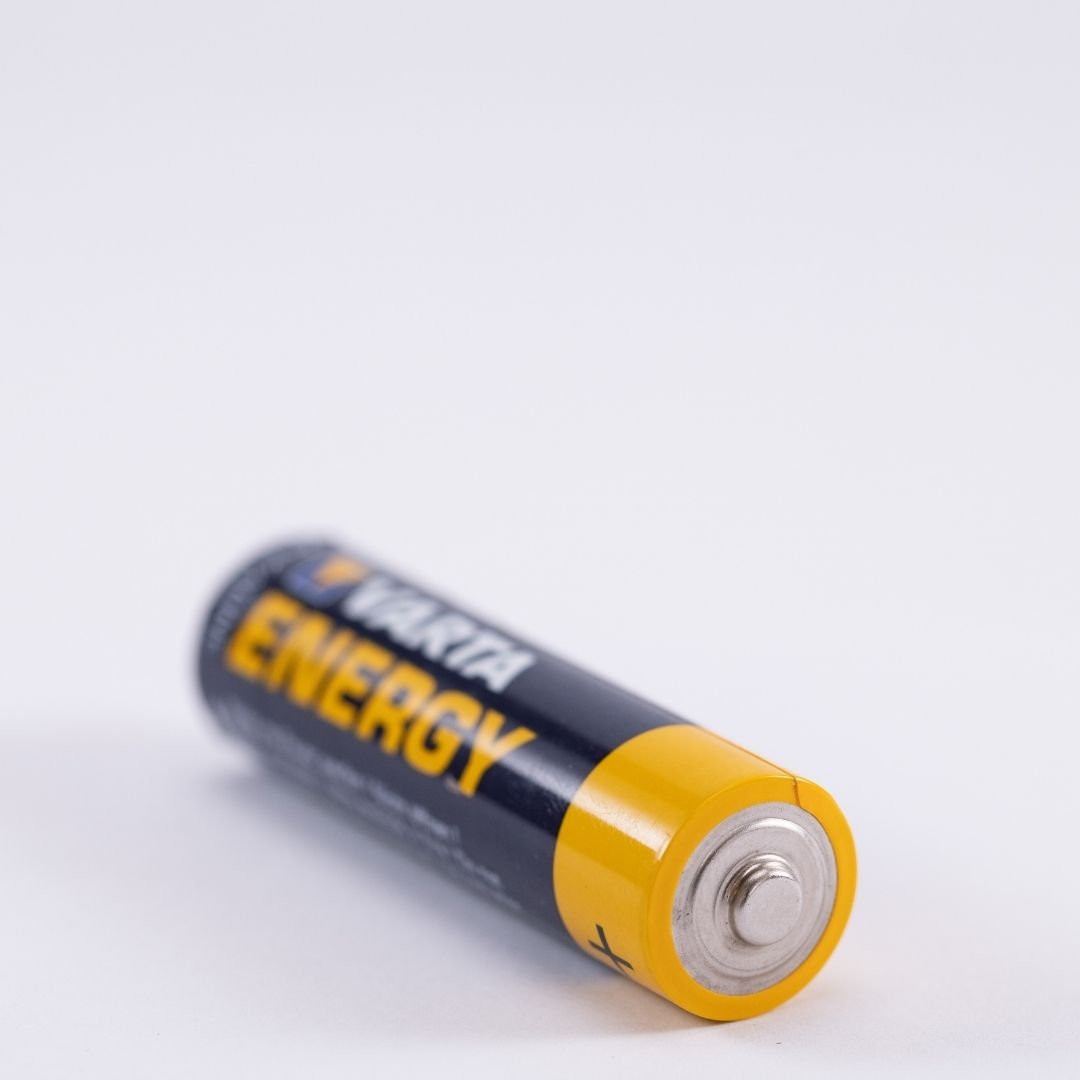
A single alkaline D battery comes in close to 140 grams, a weight that catches many people off guard. For something that fits in your palm, the heft feels surprisingly dense.
From my own comparison with lighter household batteries, this kind of battery can make your palm notice the difference right away. The same reason becomes obvious when you pick up a multipack, which can feel almost like a brick in a drawer.
The extra weight mainly comes from what is inside. Dense electrode paste, including zinc and manganese dioxide, is packed tightly into a steel can with almost no air around the electrode material. That compact paste, steel, and limited air explain why the battery weighs so many grams despite its size.
Rechargeable NiMH D cells also land at a similar weight, so rechargeable NiMH D cells are useful for the same practical reference. In everyday use, it does not matter much which kind you grab because either type gives a good idea of what about 5 ounces feels like.
A TV Remote

A standard cable-box clicker is a simple way to picture 5 oz in your hand. A typical remote can weigh close to 140 grams once the batteries are installed, especially models that use Two AA or AAA cells.
Most of that weight comes from the plastic shell, small circuit board, and batteries packed inside. When Checking everyday objects on a scale, larger remotes often come surprisingly close to this mark, while newer smart remotes with backlights or built-in rechargeable packs can vary slightly depending on their design.
A Large Banana
A typical large supermarket banana, especially a long curved one, can reach the 5 oz mark at about 140 grams when weighed whole with the peel. Bananas vary in weight because size matters, so a short fat one may weigh nearly the same, while smaller fruit can be closer to 4 oz.
In my kitchen, I have found that the peel weight can make up nearly a third of the total, which matters when a recipe asks for banana by weight.
For better accuracy, check whether the recipe means the peeled fruit or the entire banana, since a large banana can give a noticeably different measurement once the peel is removed.
A Medium Padlock

A mid-size brass padlock, especially a 40 mm padlock used as a common gym size or locker size, weighs about 145 grams, close to 5 oz. Its solid body, brass density, and dense material give this palm-sized, compact size lock plenty of real weight.
Since brass is a heavy alloy, the solid brass and alloy construction also make this heavy lock more dependable and hard to cut.
By comparison, lighter aluminum, laminated-steel locks and laminated steel models of the same size often weigh noticeably less than the solid-brass kind.
That makes a gym lock or locker lock in this weight range a useful everyday object for understanding weight, ounces, padlock weight, metal, density, and a simple weight comparison.
A Small Pear
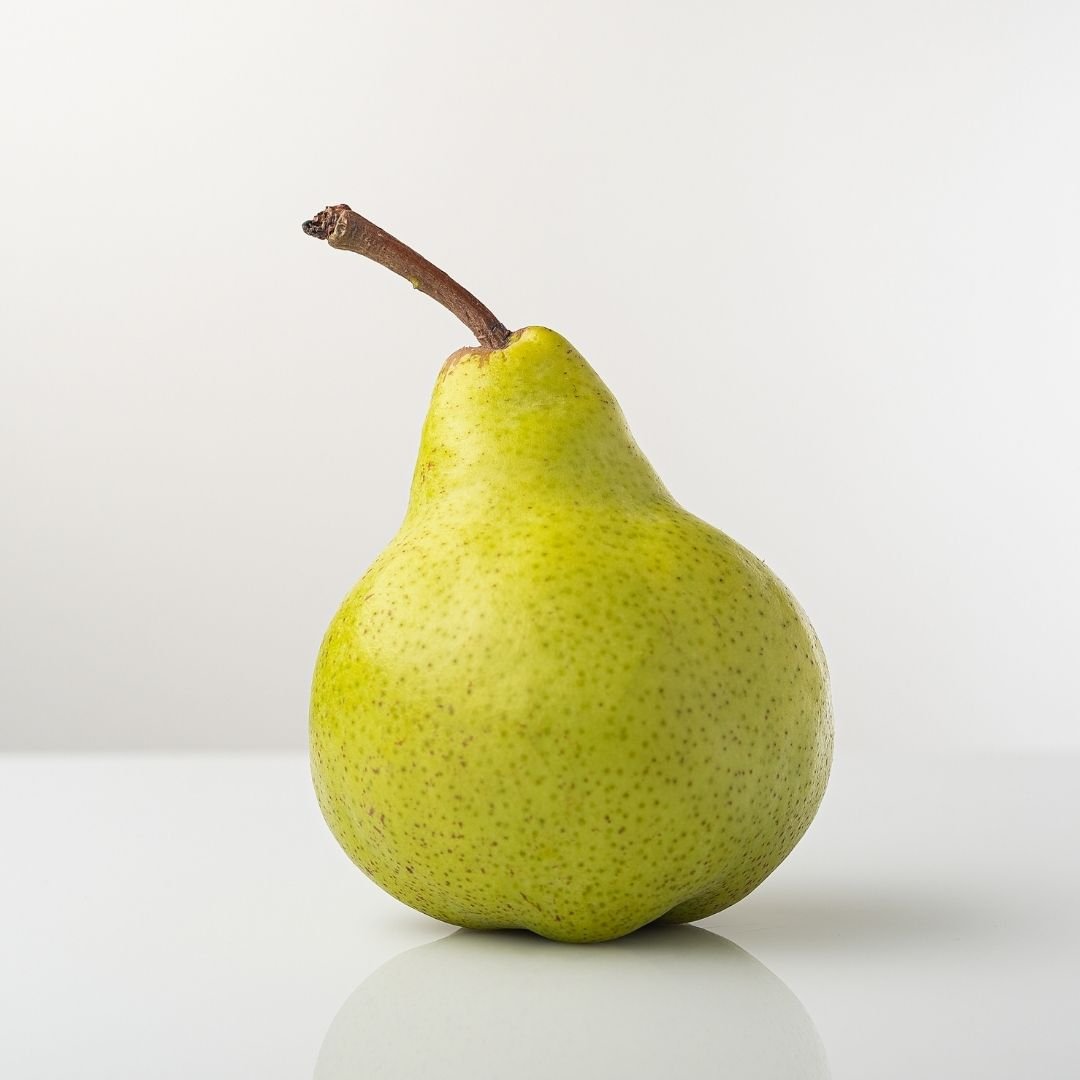
A firm pear is an easy way to picture near 5 oz in everyday life. A small pear, especially a small Bartlett, Anjou, or small Anjou, often weighs around 140 grams, putting the pear close to 5 oz.
Compared with an apple of the same size, it can feel denser, so I usually trust the heft in my hand more than my eyes. That extra density comes from the flesh and the tightly packed weight inside the fruit, which makes pears useful for a simple weight comparison.
The big pears can be much heavier, while smaller ones may change slightly as they ripen and soften. Leaving the same pear for a few days on the counter can give the impression that it has started to creep heavier, though the difference is usually just a touch of weight.
Whether measured in grams or ounces, a small, firm pear remains a practical example of something close to five ounces.
A Sleeve of Three Golf Balls
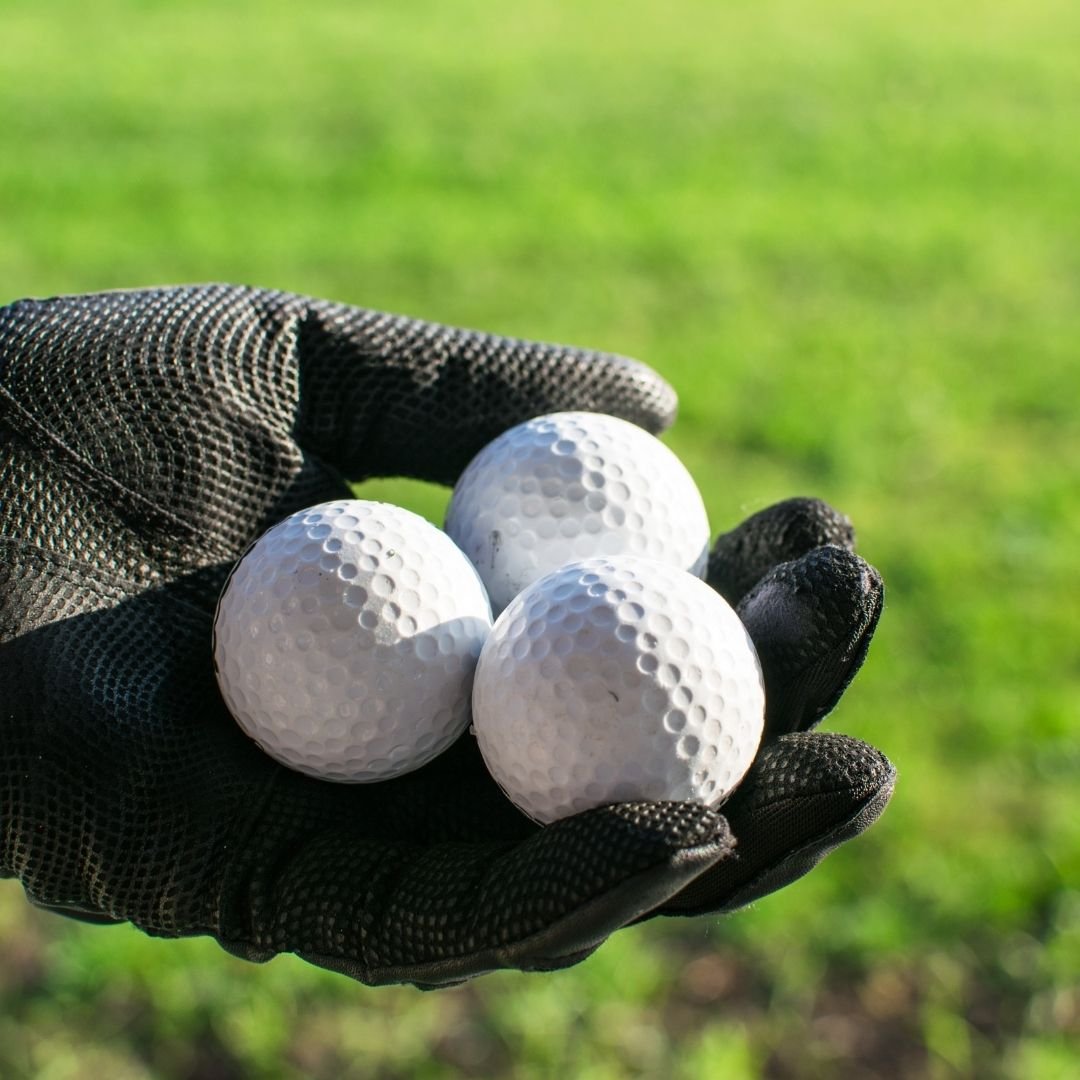
At 138 grams, three golf balls come very close to 5 oz, making a sleeve an easy real-world comparison. Under golf rules, a single ball can weigh up to 45.93 grams, and most makers stay near this limit because consistent weight helps with distance and performance.
Even brand to brand, the difference is usually small, so a plastic sleeve of balls gives you one of the more precise references for this list.
What surprises me most when handling them is how heavy each ball feels for its size. A golf ball is solid and denser than it looks, with a layered core beneath its dimpled cover. It is also denser than water, which is why it sinks straight to the bottom rather than floating.
A 5 oz Chocolate Bar
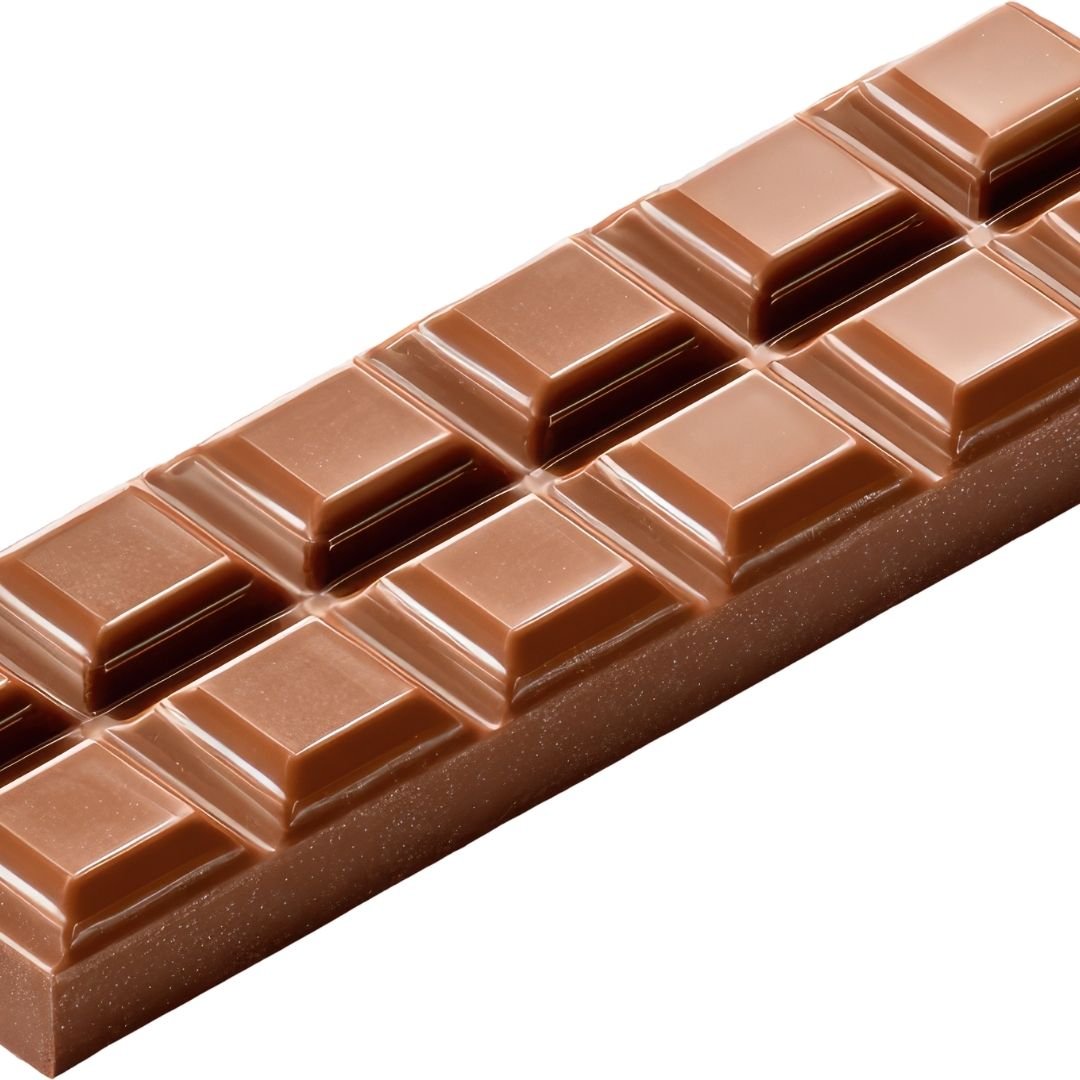
Unlike checkout candy bars, which are usually smaller at around 1.5 oz to 2 oz, a 5 oz chocolate bar is normally a thicker share bar or specialty block found in the baking aisle or a chocolate shop.
Many premium chocolate bars are sold at this exact size, with the net weight clearly printed on the wrapper, giving you a handy labeled reference and a snack at the same time.
From my experience, checking the weight label is the easiest way to confirm the exact weight without using a scale. A verified 5 oz bar makes a useful weight reference because simply holding the chocolate gives you a clear feel for five ounces.
Compared with regular candy, its bar size and share size make specialty chocolate a rare comparison for learning ounce measurement, while the label provides an easy comparison you can trust.
A Medium Onion
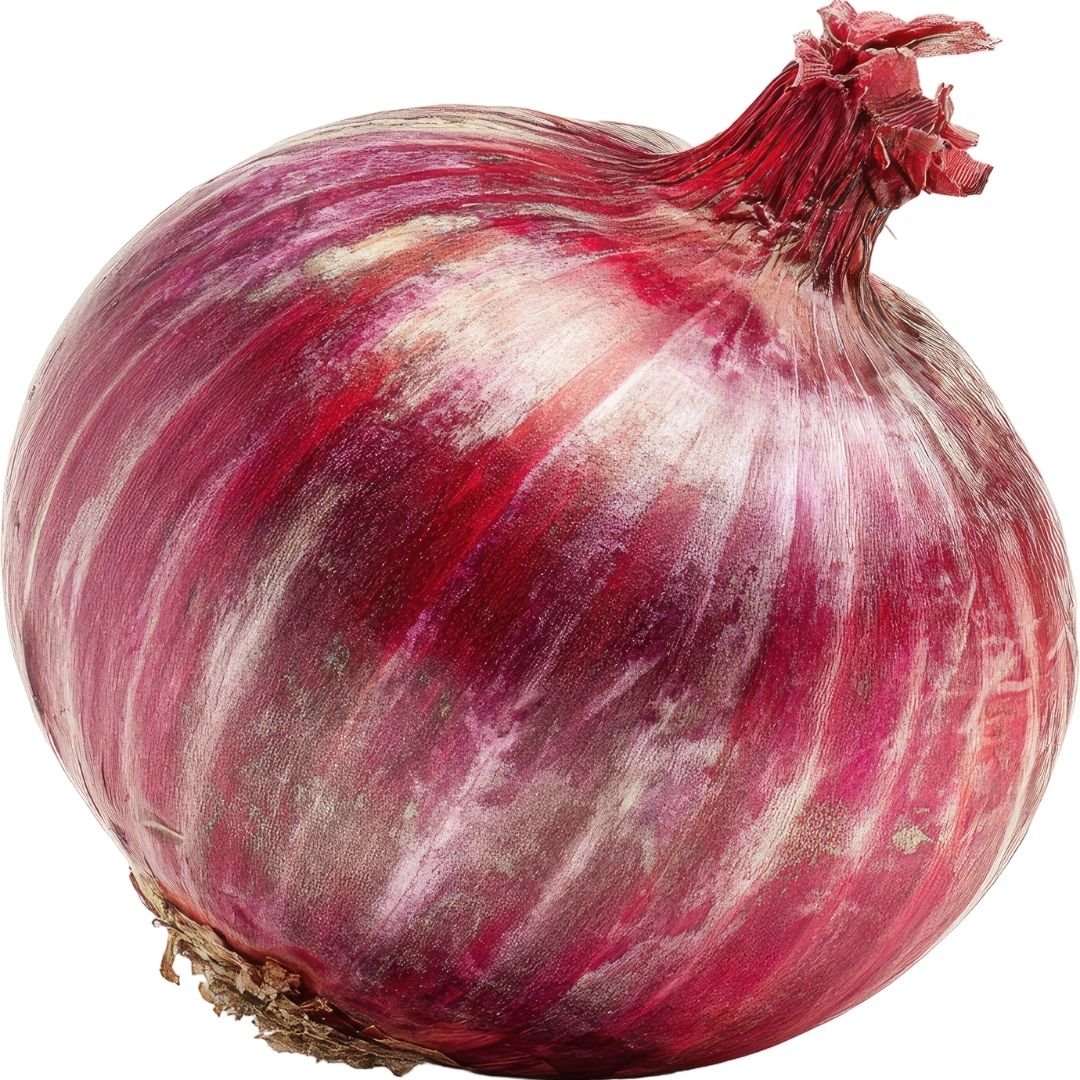
For everyday cooking, recipes often call for one medium onion, making it a useful rough unit of measure when you do not have a kitchen scale. A typical medium yellow or brown onion can weigh close to 5 oz, even when its size does not look very large.
A cooking onion feels surprisingly heavy because onions are naturally dense. Each layer contains plenty of water, while the tight inner layers leave almost no hollow space inside, adding more weight than you might expect.
That is why the common phrase “one medium onion” can give you a practical idea of what five ounces feels like.
Five Slices of White Bread
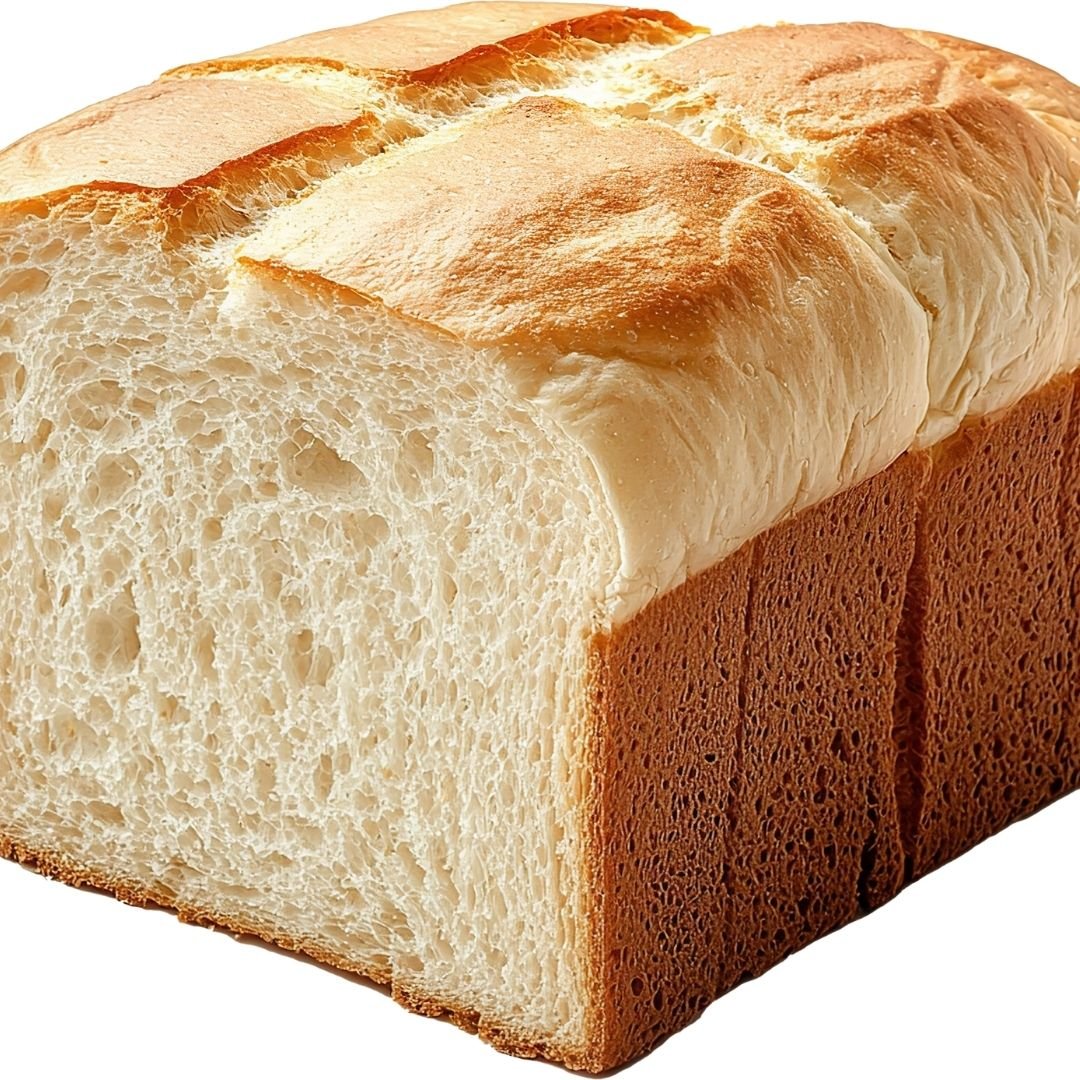
Five slices of bread can weigh close to 5 ounces because many bakeries slice bread to a fairly strict thickness, giving each piece a weight close to 1 ounce. This short stack of bread has a total weight, stack height, and portion size that people can recognize on sight, making it useful for judging portions and sandwich portions.
The light, airy bundle may feel deceptively close to a baseball in weight. Placed beside a plate, the familiar stack of bread slices offers good consistency when you build a sandwich or estimate weight by sight.
An Eastern Screech Owl

An Eastern Screech Owl may look like a majestic raptor, but its weight can be close to 5 ounces. Like many owls, it has hollow, lightweight bones that help with silent night flight.
These bones keep a fully feathered adult bird surprisingly light, even though its thick feathers can make it appear heavier. Wildlife guides often point this out because people are surprised that such a majestic living bird can feel so light.
A simple way to picture the weight is by holding a baseball in one hand while imagining a feathered bird in the other. The two weigh almost the same.
Comparing familiar objects by hand, this makes the 5-ounce weight much easier to understand, while also showing how cleverly wildlife is built. Guides often use familiar comparisons like this to explain why birds made for quiet flight can remain so light.
Travel Toothpaste Tube

A travel toothpaste tube is a simple way to picture 5 ounces because some travel toothpaste tubes are manufactured with lightweight, airline-friendly packaging in mind.
These products are designed for travel, keeping the packaging and tubes easy to carry while holding enough product for several uses.
A compact toothpaste product like this feels surprisingly light in your hand, making it a useful everyday reference for understanding this weight and airline-friendly convenience.
How to Measure 5 oz Without a Scale
For solid food, your hand can be a quick guide: a piece of cooked meat that covers your flat palm is usually around 4 to 6 oz, with 5 oz close to the middle.
For liquids, spoons and cups make measuring easier. Ten level tablespoons equal 5 fluid ounces, while a measuring cup filled to the ⅝ line also works, making it simple to understand how to measure 5 oz of liquid and how many cups is 5 oz.
A lacrosse ball is another useful reference because it weighs almost exactly 5 oz, giving you an easy way to picture the weight without using a scale.
Where You’ll Commonly Find 5 oz Measurements
You’ll often come across 5 ounces in everyday items such as:
- food containers
- protein servings
- skincare products
- drinks
- snack items
- recipe ingredients
Weight Ounces vs. Fluid Ounces: The Quick Difference
A weight ounce tells you how heavy something is, while a fluid ounce measures volume, or the space a liquid takes up. If you are wondering 5 oz means how many grams, the answer is about 141.7 grams.
In comparison, 5 fl oz is a liquid volume of roughly 148 ml. This means ounces used for weight are a weight measurement, while fluid ounces are a volume measurement. Knowing how many grams are in an ounce is especially useful for foods such as flour, where grams give a more accurate result.
With water, the two can look like the same measurement because water weighs close to a gram for every gram per ml, so the numbers are almost the same. But they drift apart with ingredients such as honey, which is thicker, or substances that are lighter than water.
Measuring ingredients, remembering that one unit weighs an item while the other measures fluid ounces by volume makes kitchen conversions much easier.
A Tip Before You Measure
5 oz almost always means one of two things, and that single clue saves confusion before you even start. A recipe asking for solid food wants weight. I just set my kitchen scale, and it settles in seconds, no math involved.
Pour something instead, and you’ve switched to fluid ounces, a volume measure that isn’t weight for anything but water, a mistake I made once with pancake batter. Once that distinction sticks, the rest is simple, and the lists below of everyday 5 oz items are all you’ll have needed.
FAQs
What are things that weigh 5 ounces?
A standard baseball weighs about five ounces, or roughly 142 grams. A medium-sized apple, D-cell battery, or a deck of about 100 index cards can also be close to this weight, making ounces and grams easier to picture.
What do 5 ounces weigh?
A deck of playing cards is a simple way to picture Five ounces. This weight roughly equals 141.75 grams or 0.31 pounds, making a standard deck of playing cards an easy reference for comparing ounces, grams, and pounds.
How much does 5 oz weigh in grams?
5 oz weighs 141.75 grams, or exactly 141.7476 grams with scientific precision. This exact value in grams is useful when precise measurement matters.
What is 5 oz compared to?
Five ounces or 5 oz weighs about 141.75 grams or 0.31 pounds, close to a standard baseball, large lemon, or deck of cards on a scale. For liquid, 5 fluid ounces equals about 0.63 cups, making ounces, grams, pounds, cups, fluid ounces, and weight easier to compare.
Conclusion
Once you connect 5 oz or 5 ounces with familiar objects, ounce measurements become much easier to understand. Practical comparisons help your brain visualize the size and measurement without always reaching for tools. Think of a baseball, an apple, or certain travel-size products. These everyday comparisons make understanding the number more natural, especially when recognizing things that are 5 ounces.
This knowledge is surprisingly useful because measurements appear in food portions, cooking, packaging, and many everyday products. From following recipes and shopping to meal prep and estimating sizes, having a few reference objects in mind makes the process faster and more practical.